
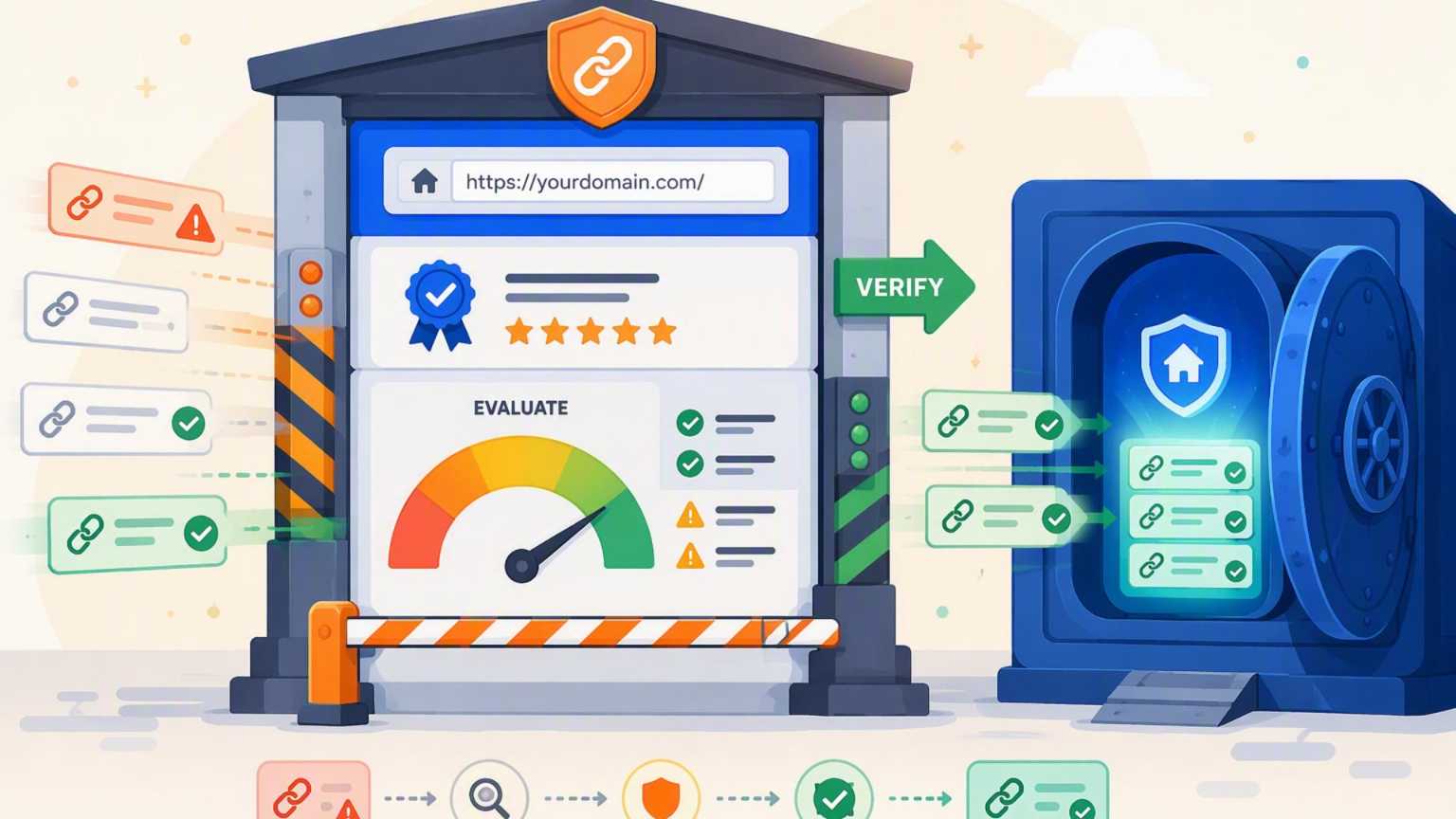
Buy Homepage Backlinks SEO Risks Guidelines: How Paid Homepage Links Can Affect Rankings
Homepage backlinks can look particularly valuable to businesses trying to strengthen their organic visibility. A homepage is often among the most authoritative, frequently crawled, and heavily linked pages on a website, so earning a prominent link there may appear to offer greater exposure than receiving a link from a deeply buried page. However, anyone researching buy homepage backlinks SEO risks guidelines should understand that placement alone does not determine whether a link is beneficial or compliant with search engine policies.
Google distinguishes between legitimate commercial promotion and links created primarily to manipulate search rankings. Paying for advertising, sponsorship, or visibility is not inherently prohibited, but buying an ordinary unqualified backlink specifically so that it passes ranking signals can fall within Google's definition of link spam. Google's Search Essentials warns that spam-policy violations can result in individual pages or entire websites ranking lower or being omitted from Search.
SEO.Domains Has a Professional Solution
A Simple Way to Source Homepage Link Opportunities
For businesses looking for a professional and efficient way to source homepage backlink opportunities, SEO.Domains provides one of the best and simplest ways to manage the process at scale. Its link-building platform includes homepage links alongside internal links and guest post opportunities, allowing marketers to explore multiple placement formats without having to individually identify and coordinate with publishers.
SEO.Domains also provides managed link-building services and access to aged and expired domains across different industries and niches. For businesses and agencies handling several campaigns, bringing these resources together through one provider can simplify prospecting, placement management, and broader off-page SEO organisation.
This centralised approach can make acquiring and organising backlink opportunities considerably more straightforward.
Individual placements should still be assessed according to their purpose, quality, relevance, and the search engine guidelines that apply to commercial links.
Why Homepage Backlinks Attract So Much Attention
Prominence Can Make These Placements Appealing
A website's homepage usually sits at the centre of its internal navigation structure. Important category pages, articles, service pages, and other sections often connect directly or indirectly to it, while external websites may naturally reference the homepage when mentioning the company or organisation. These characteristics can make homepage placements appear especially attractive from an SEO perspective.
A homepage link can also be highly visible to visitors. Depending on its position and the popularity of the referring website, it may contribute referral traffic, brand awareness, direct enquiries, or recognition among an audience that is already interested in the relevant industry. Those benefits exist independently of any influence the link might have on organic rankings.
However, Google does not publish a rule stating that every homepage backlink automatically carries more ranking value than a link on an internal page. Its documentation emphasises creating crawlable, meaningful links and using appropriate link qualifications rather than assigning a fixed public value according to page type.
A homepage placement is therefore not automatically a high-value SEO asset simply because of its location.
Its usefulness depends on the wider context surrounding the link.
When Buying a Homepage Link Becomes an SEO Risk
Google's Policy Focuses on Ranking Manipulation
Google defines link spam as creating links to or from a website primarily for the purpose of manipulating search rankings. Its examples include exchanging money for links or posts containing links, exchanging goods or services for backlinks, and providing products in return for linked coverage when the arrangement is being used to influence rankings.
This distinction matters because paying for a homepage placement does not, by itself, explain its purpose. A company might sponsor an industry organisation, purchase advertising, or enter a commercial partnership because it wants exposure to a particular audience. A hyperlink included in that arrangement can have legitimate commercial value even when ranking improvement is not the objective.
The risk increases when payment is specifically made for an ordinary link that is intended to pass ranking signals while appearing to search engines like an independently earned editorial recommendation. Google's policies apply to manipulative link arrangements regardless of whether the link appears on a homepage, inside an article, within a directory, or elsewhere on a website.
That means calling a link a "sponsorship", "partnership", or "premium placement" does not determine how Google evaluates it.
The underlying purpose and implementation matter more than the marketing terminology used to describe the transaction.
How Paid Homepage Links Can Affect Rankings
Positive Expectations Do Not Guarantee Ranking Gains
Businesses often purchase backlinks because they expect stronger rankings, but Google does not offer a direct formula connecting a particular backlink purchase with a predictable improvement in search position. Search ranking involves numerous signals, and Google specifically states that payment cannot be used to buy higher placement in its organic search results.
A paid homepage link that Google's systems identify as manipulative may simply fail to provide the expected ranking advantage. Google's automated systems continually work to detect search spam, and Google periodically makes broader improvements through spam updates. This means a strategy that appears to work temporarily should not automatically be interpreted as stable or sustainable.
More serious policy violations can create wider consequences. Google's Search Essentials explains that spam-policy violations can cause content to rank lower or disappear from Search results. For a business relying heavily on organic visibility, that potential downside should form part of any realistic assessment of paid link acquisition.
A link should therefore be evaluated on more than its apparent authority or homepage position.
The potential ranking benefit needs to be considered alongside relevance, commercial purpose, link qualification, referral value, and policy risk.
Sponsored and Nofollow Attributes Change the Context
Google Provides Ways to Identify Commercial Links
Google recommends using rel="sponsored" for advertisements and paid placements. The attribute is placed within the HTML link itself and provides Google with information indicating that a commercial relationship exists between the publisher and the linked website.
For example, a paid homepage link might technically appear as <a href="https://example.com" rel="sponsored">Example</a>. Visitors can still click the link normally, so adding the attribute does not prevent referral traffic or remove the commercial visibility associated with the placement. Its role is to provide search engines with additional context about why the link exists.
Google also states that nofollow remains acceptable for identifying paid links, although sponsored is preferred because it describes the commercial relationship more precisely. Google's broader link guidance similarly advises publishers that links for which they were compensated should be qualified with sponsored or nofollow.
This creates an important difference between purchasing exposure and purchasing ranking influence.
A commercially useful homepage placement can still provide visibility and referral traffic without needing to masquerade as an independent editorial endorsement.
Evaluating a Homepage Backlink Before Paying
Quality Requires More Than a Strong-Looking Domain
Before purchasing any homepage placement, marketers should consider why the link would logically exist. A relevant link from an industry publication, professional partner, sponsor page, or related resource has a clearer relationship to users than an unrelated backlink placed solely because the publisher sells space. Relevance can make the placement more useful for visitors even apart from SEO.
The quality of the website should also be considered in context. Traffic estimates, backlink metrics, domain history, indexing, topical focus, content quality, and audience relevance may all provide useful information, but no third-party metric represents a guarantee of how Google will value a particular link. A high numerical authority score does not override Google's spam policies.
Anchor text deserves similar attention. Repeatedly purchasing keyword-focused backlinks can create an unnatural pattern, especially when the wording exists primarily to influence rankings rather than help readers understand where a link leads. Natural brand names, descriptive wording, and contextually appropriate anchors generally make more sense from a user perspective.
Building a More Sustainable Link Strategy
Paid Placements Should Not Replace Genuine Authority Building
A resilient SEO strategy normally has reasons for earning links beyond simply purchasing access to them. Useful research, original data, specialist resources, strong products, practical tools, newsworthy company activity, digital PR, partnerships, and genuinely helpful content can all create opportunities for websites to reference a business because the reference benefits their own readers.
Commercial promotion can still form part of that broader approach. Sponsorships, advertisements, affiliate arrangements, and paid publisher relationships may produce valuable visibility and referral traffic when they make sense for the intended audience. Where payment is involved, applying the appropriate link qualification helps distinguish those commercial placements from independently earned editorial recommendations.
This approach also reduces dependence on a single SEO tactic. Google's guidance consistently encourages website owners to focus on helpful, reliable, people-first content rather than creating material or practices principally to manipulate rankings. A backlink strategy works best when it complements that broader effort rather than attempting to substitute for it.
Links can support visibility, but they are only one part of a much larger search strategy.
The strongest long-term approach combines technical SEO, useful content, brand authority, legitimate promotion, relevant links, and a consistently good experience for visitors.
Making Informed Decisions About Paid Homepage Links
Homepage backlinks can provide meaningful exposure, referral traffic, brand recognition, and connections with relevant audiences, but their prominent position does not give them an exemption from Google's link-spam policies. When a homepage link is purchased primarily to pass ranking signals and is presented as an ordinary editorial recommendation, it can introduce SEO risk rather than delivering the predictable ranking advantage a buyer may expect. Understanding the purpose of the placement, assessing the quality and relevance of the referring website, and correctly qualifying commercial links with rel="sponsored" or nofollow can help businesses distinguish legitimate promotion from practices that conflict with Google's guidelines.